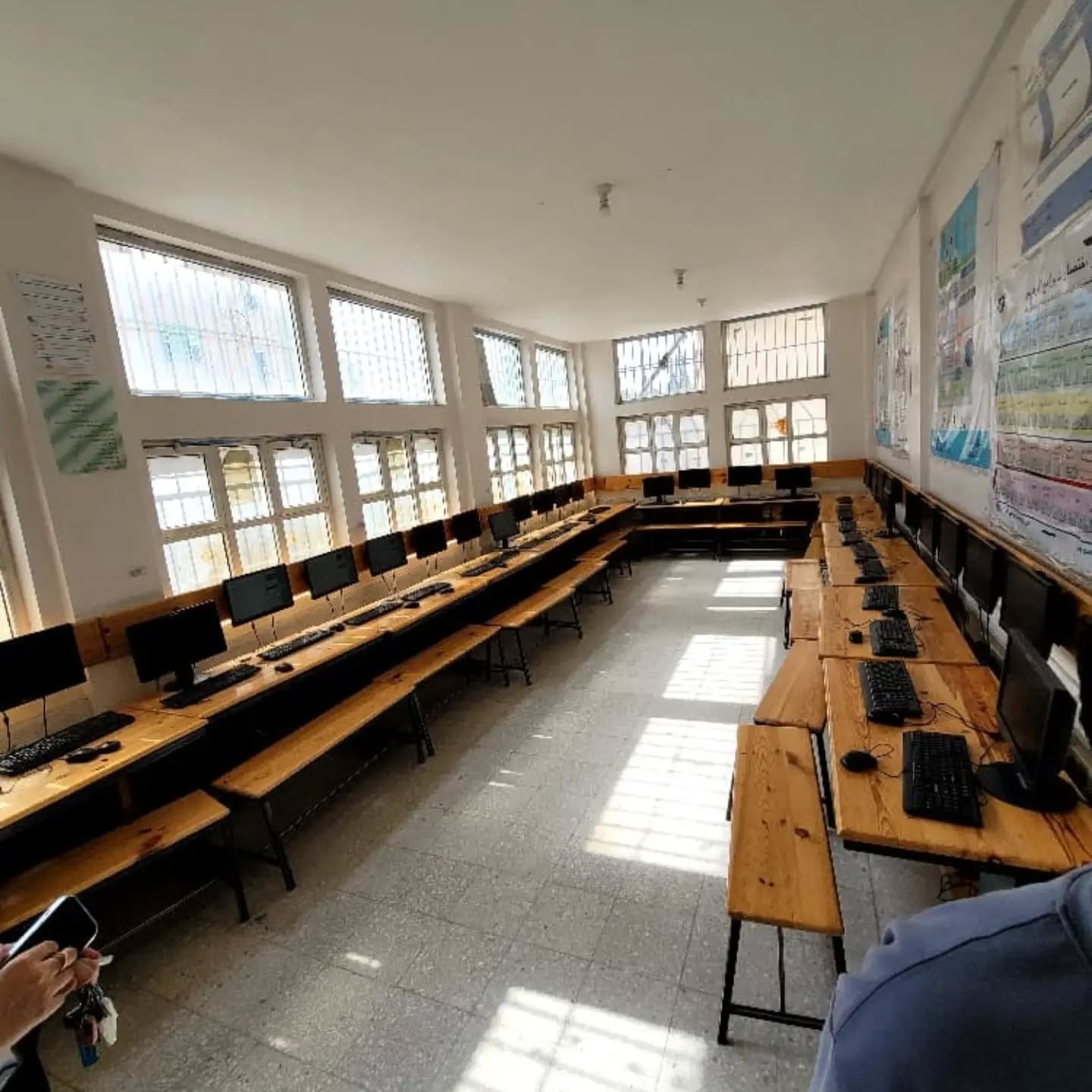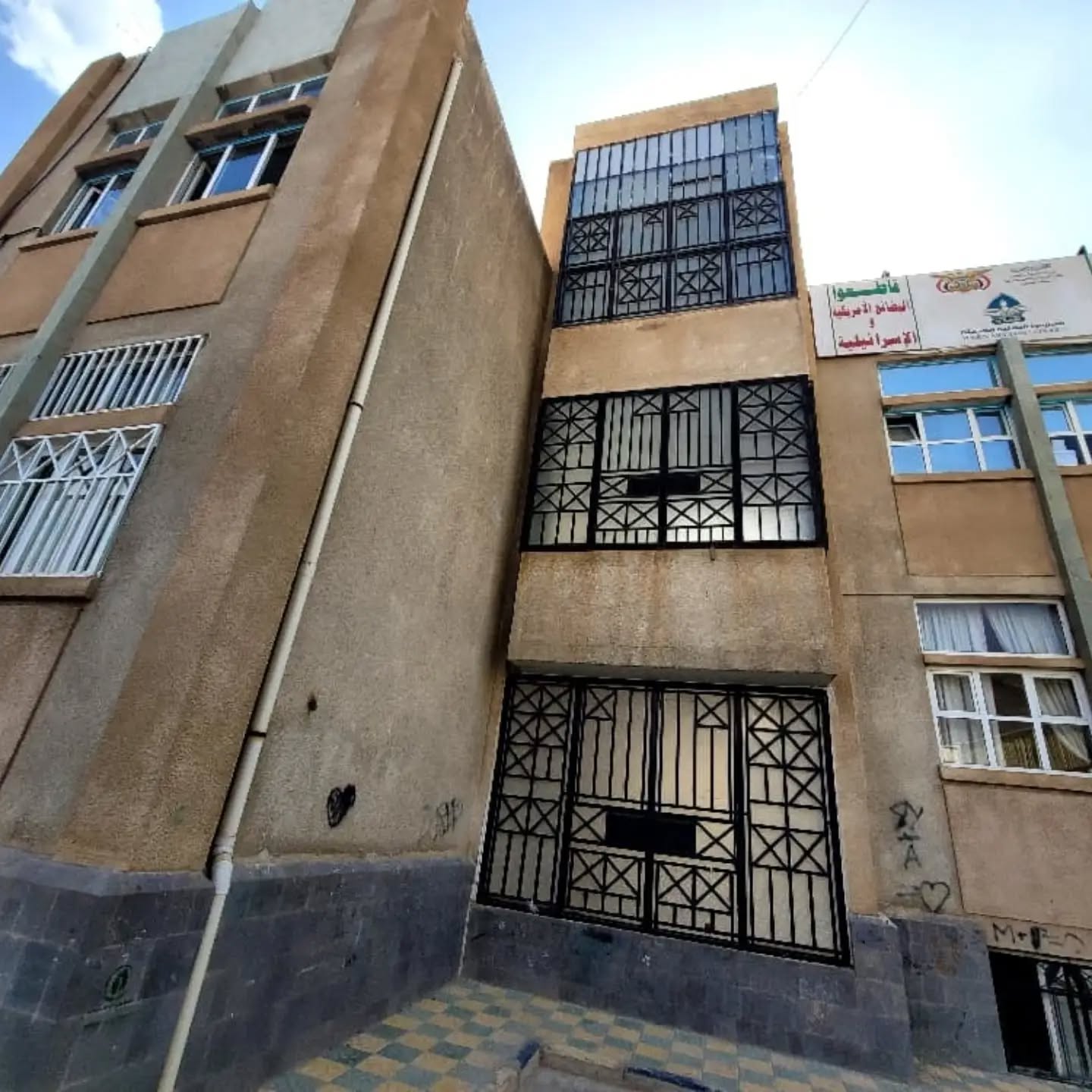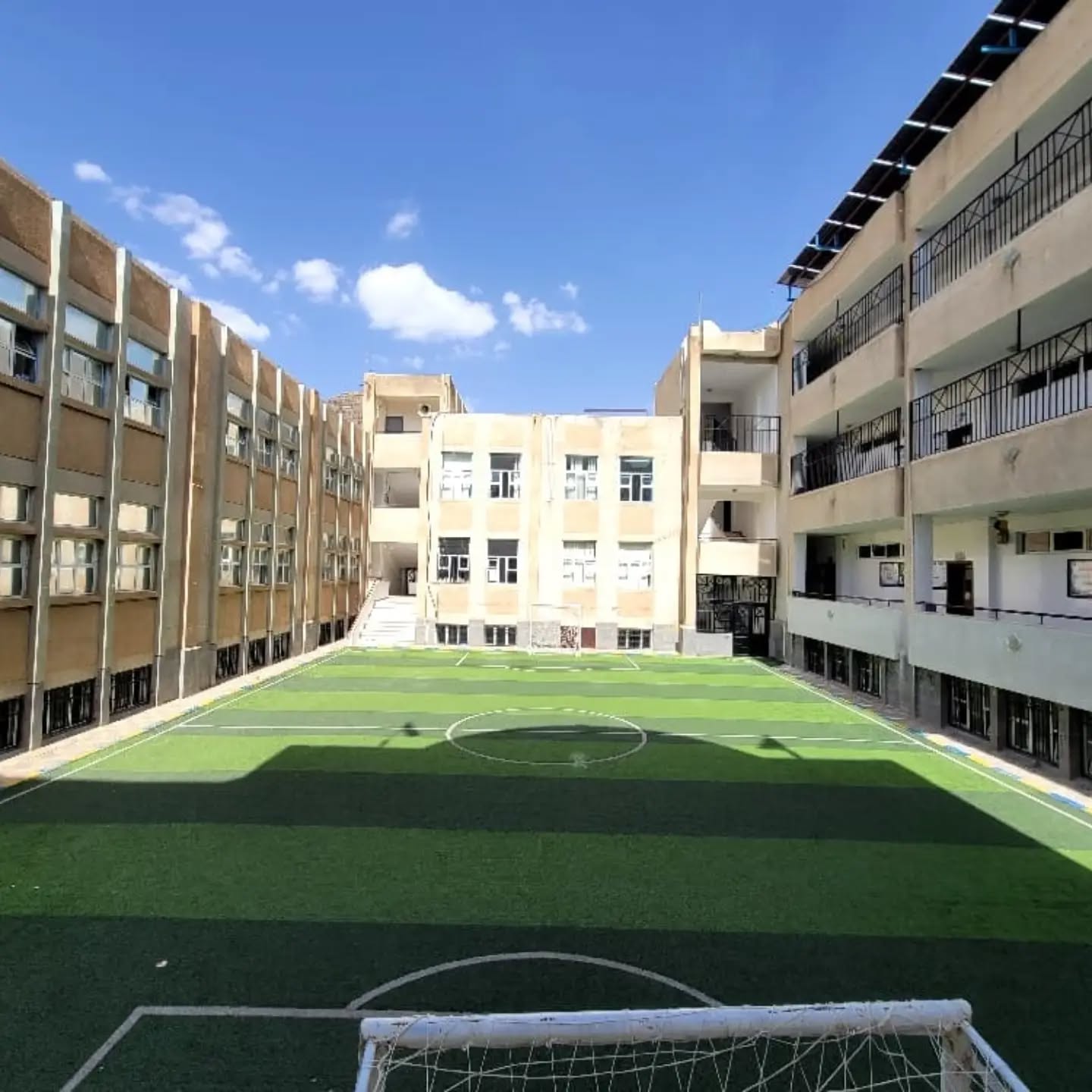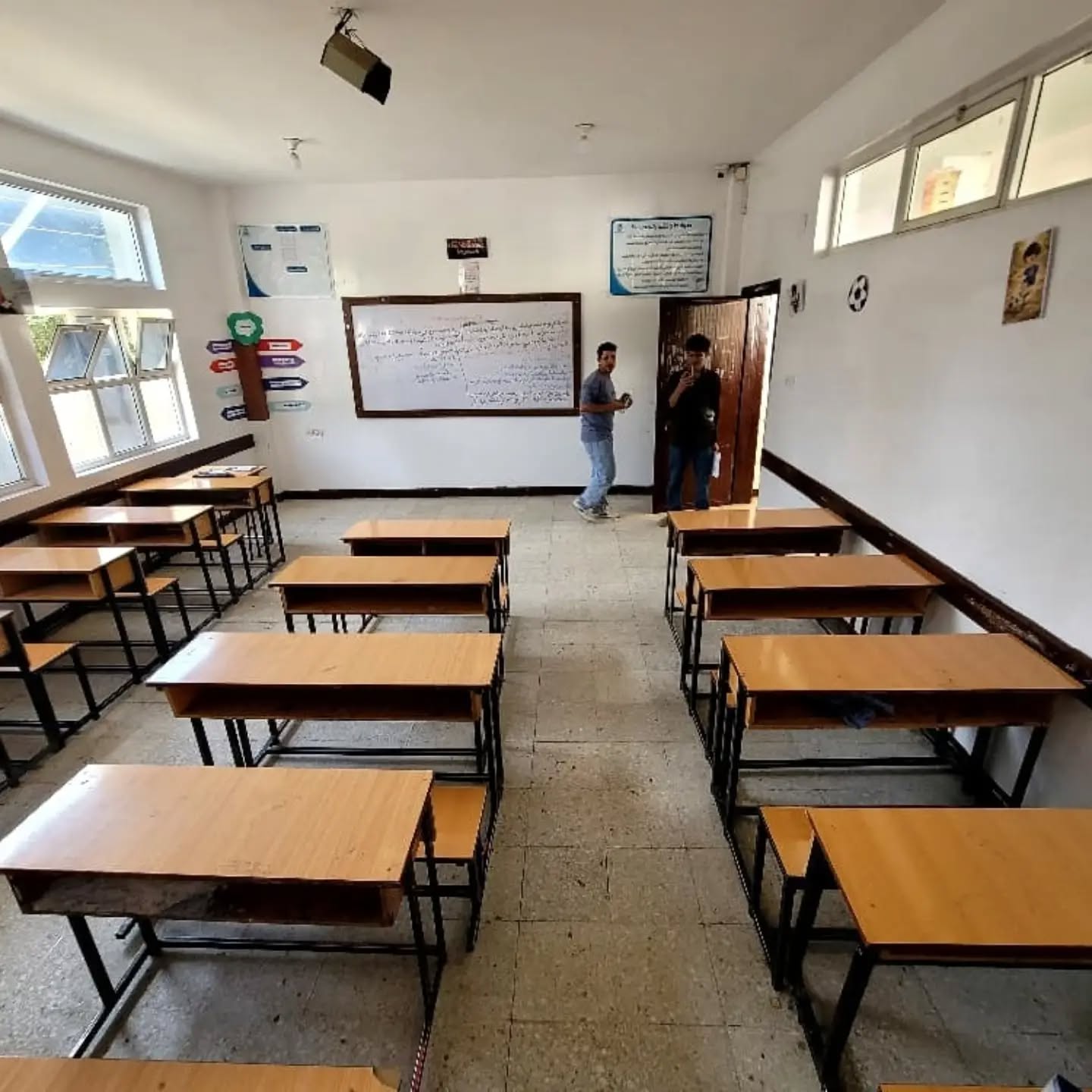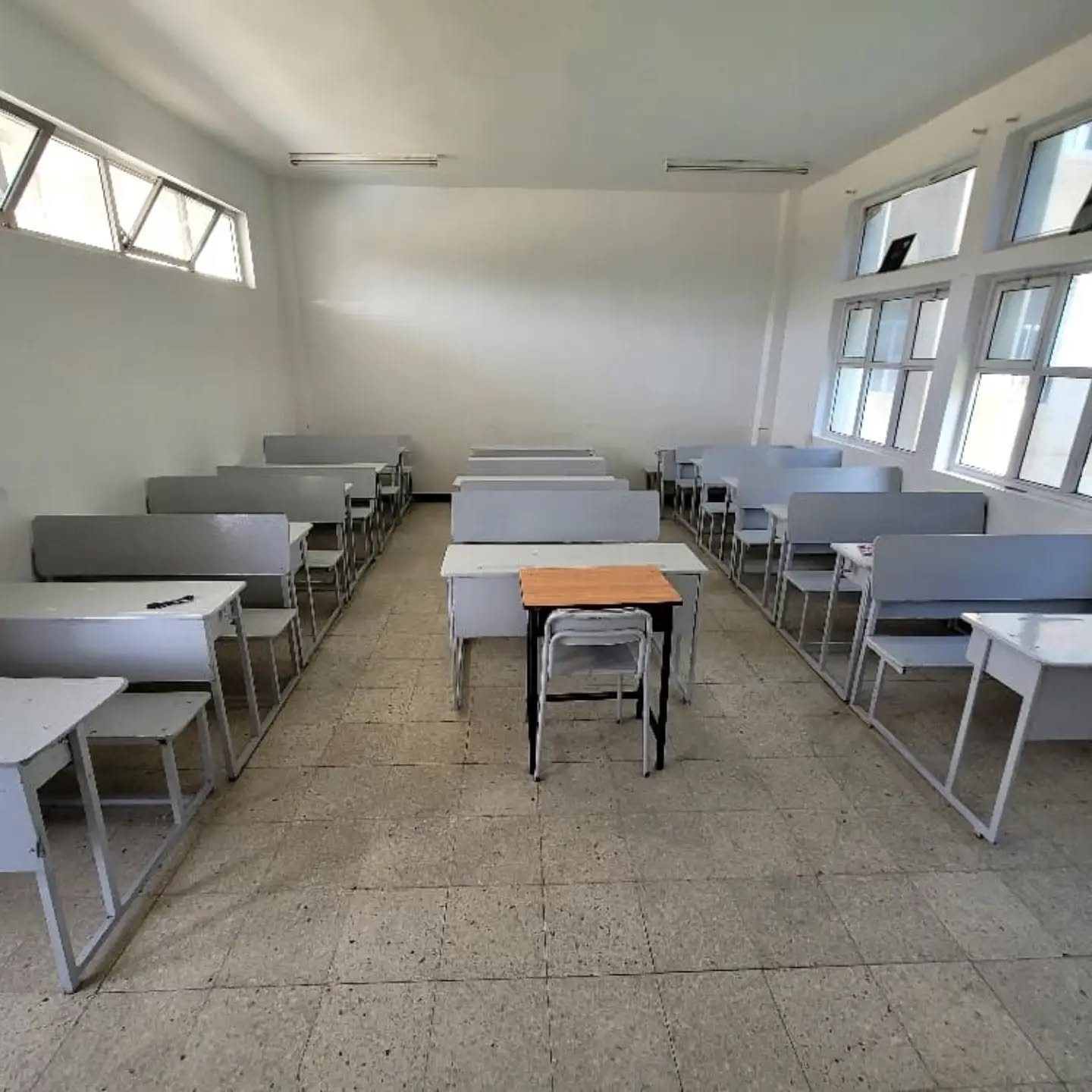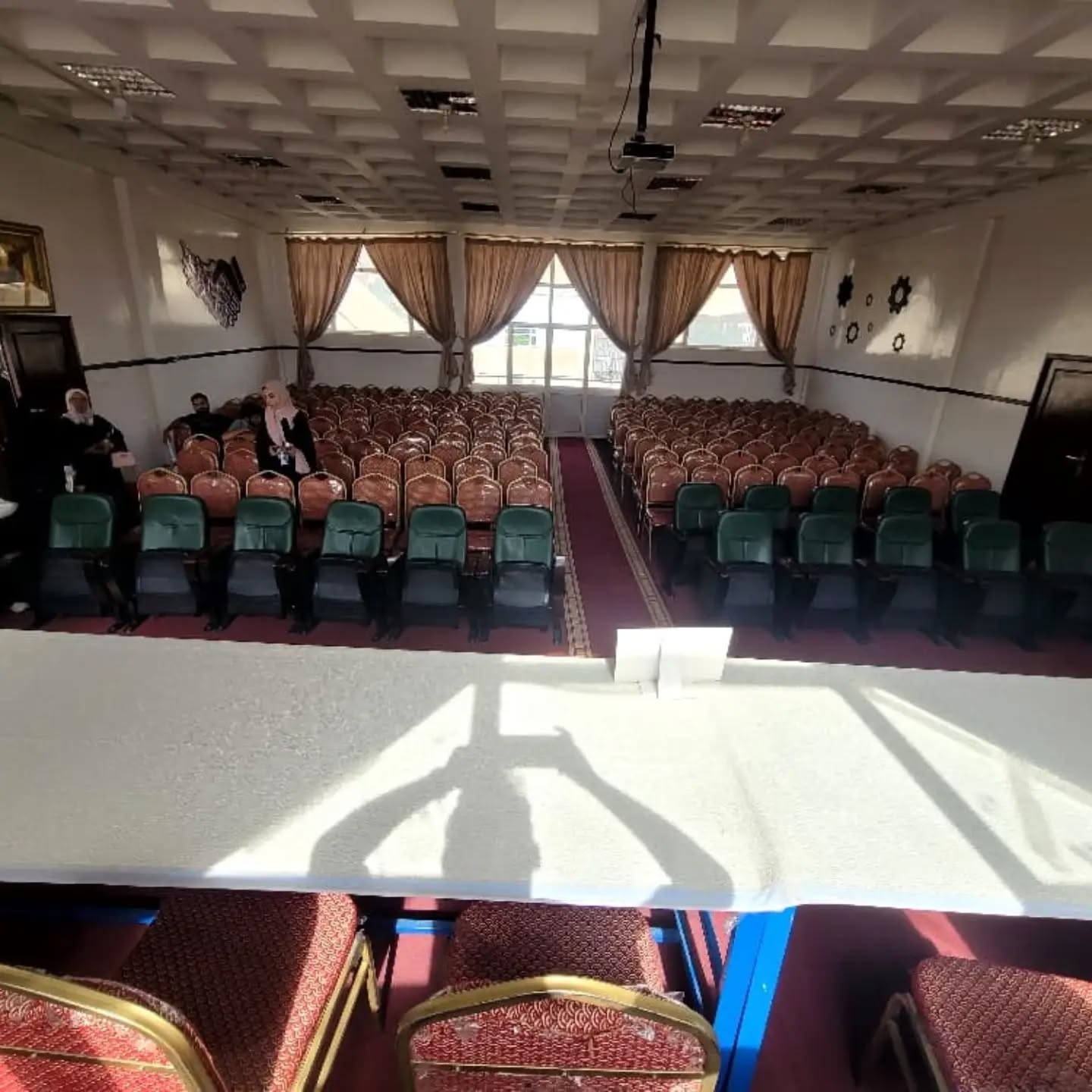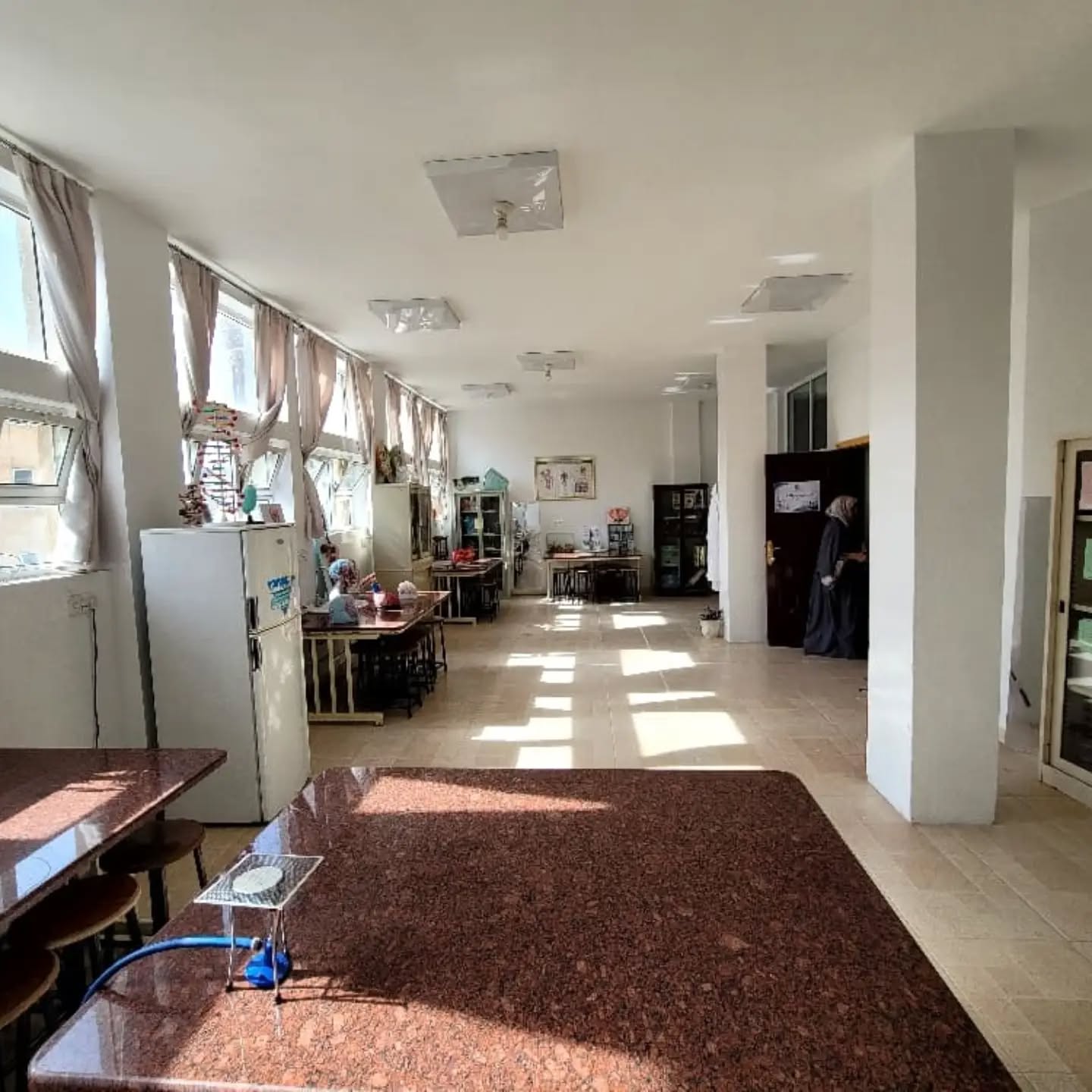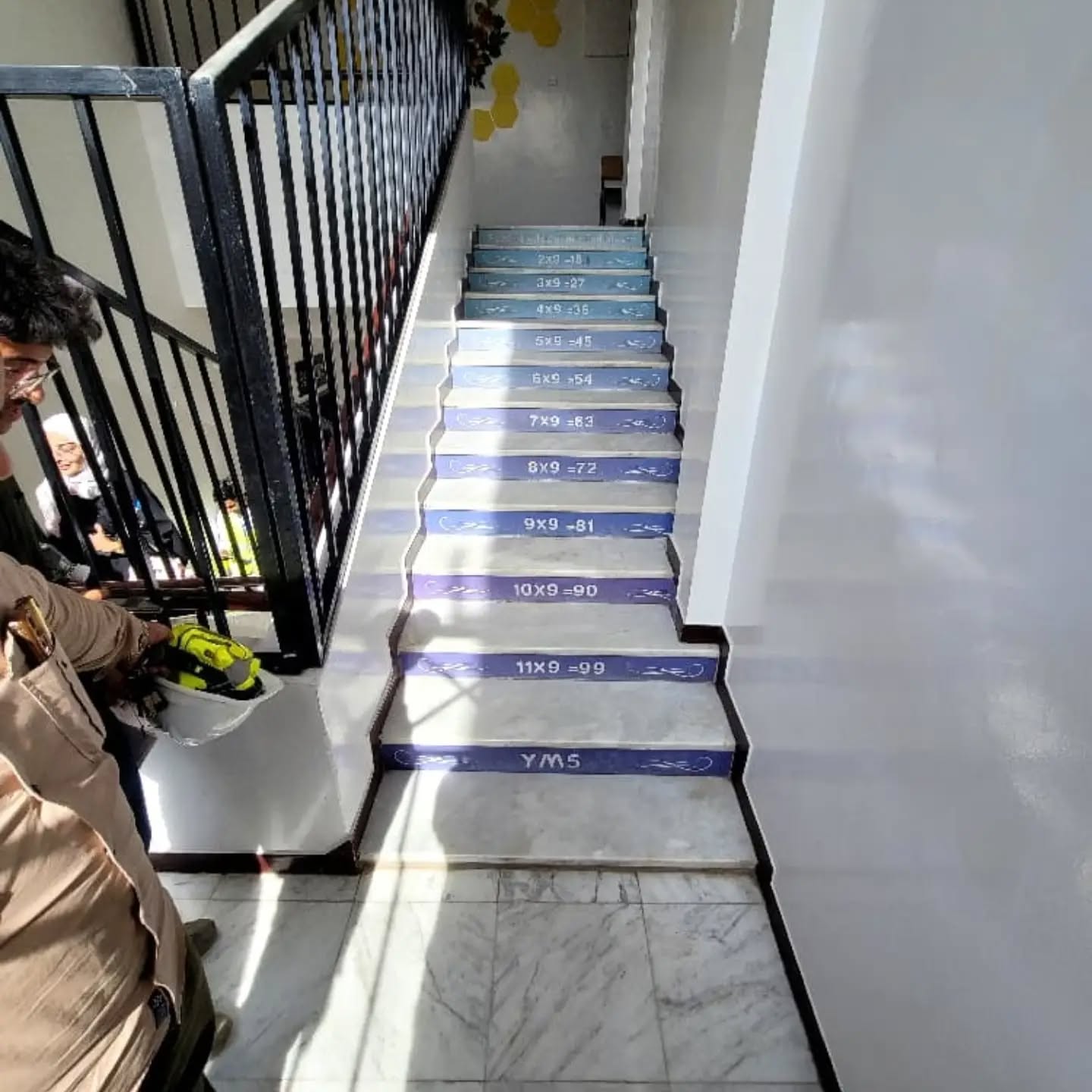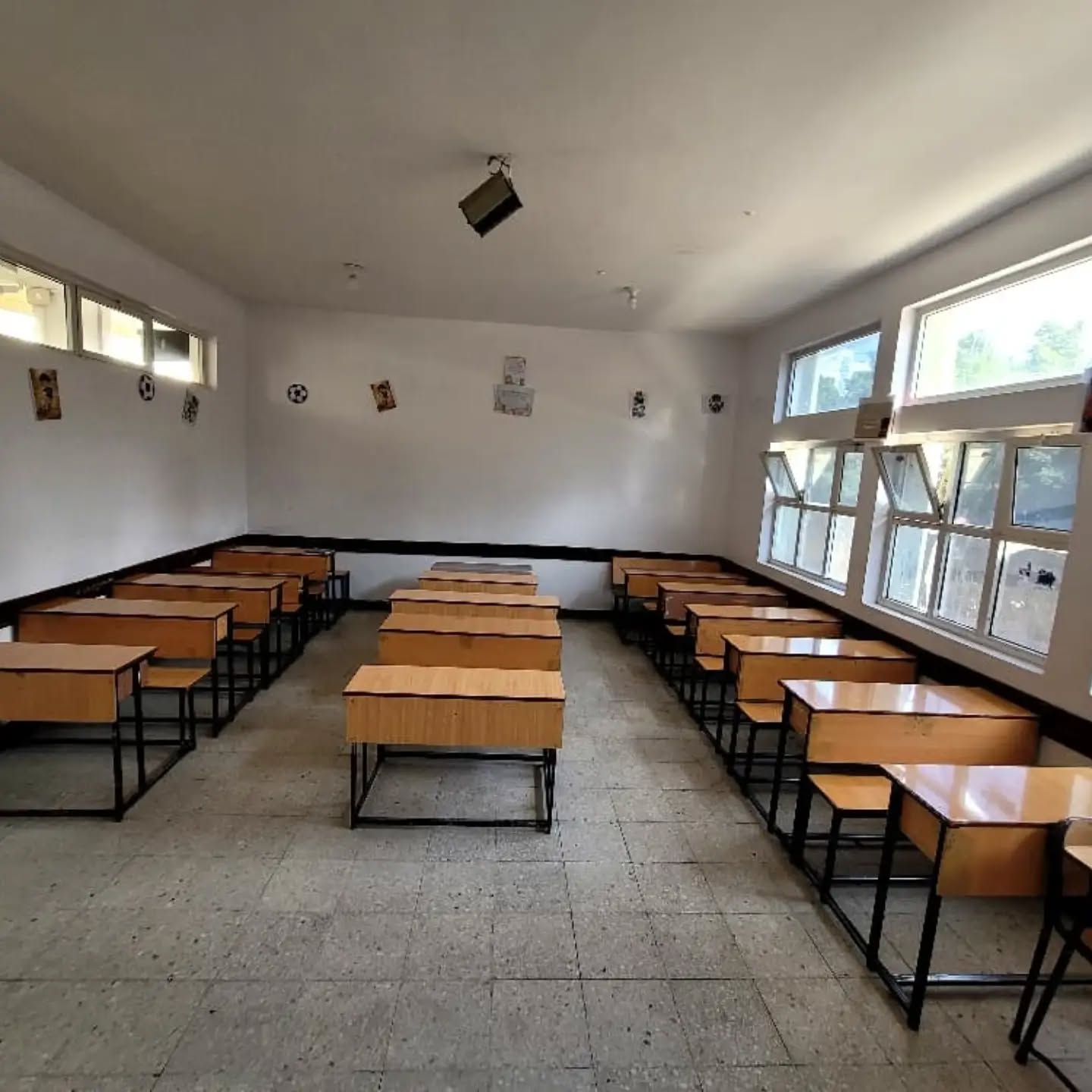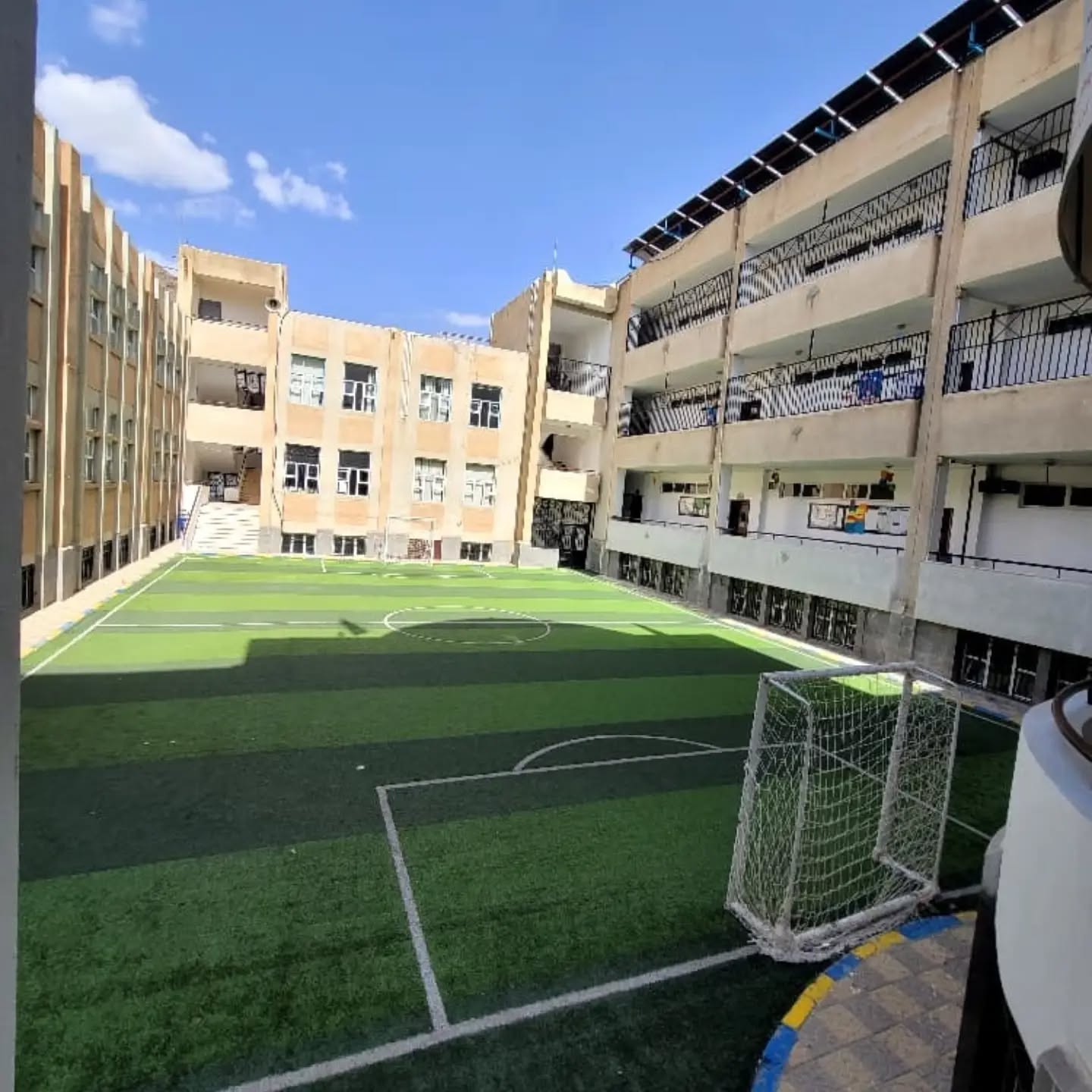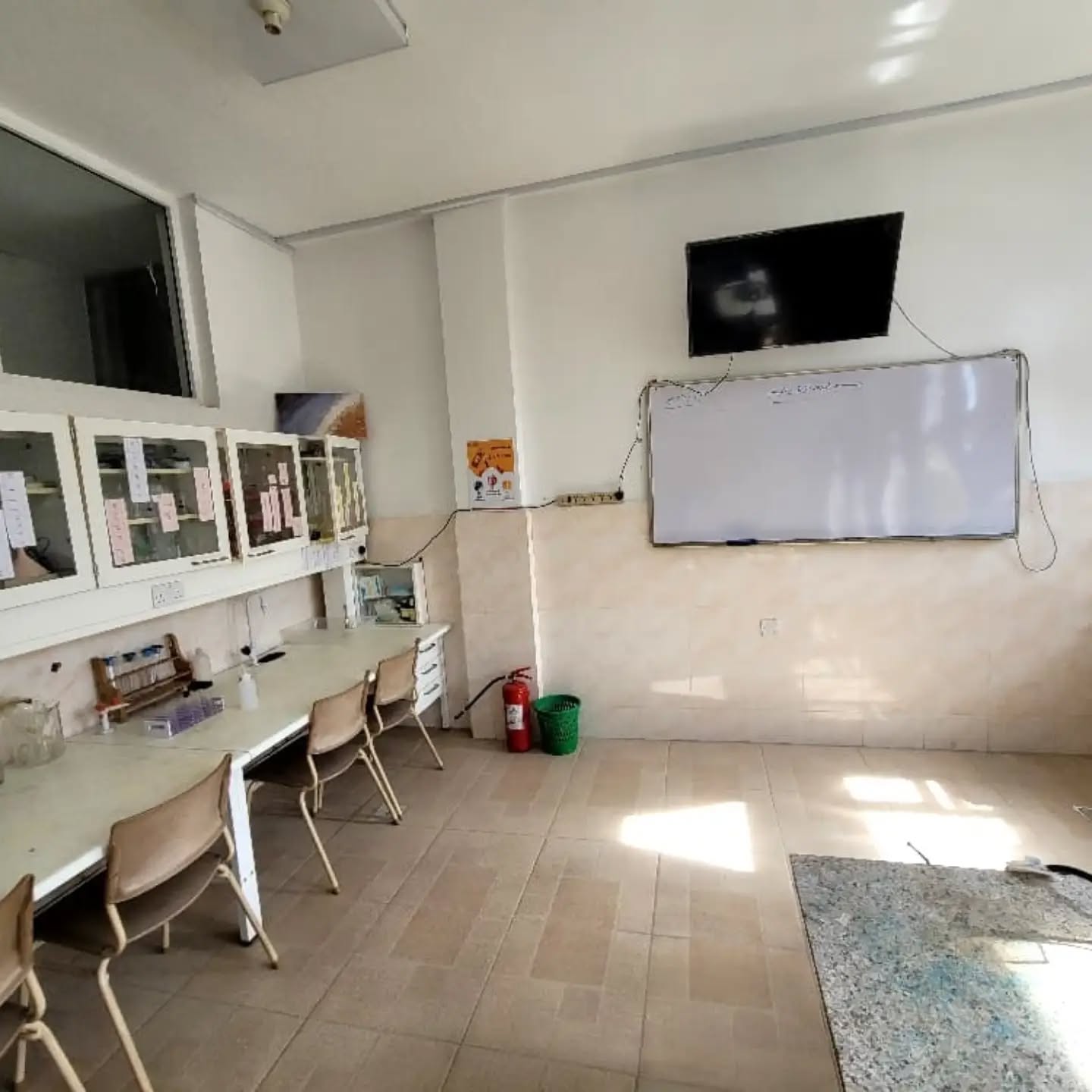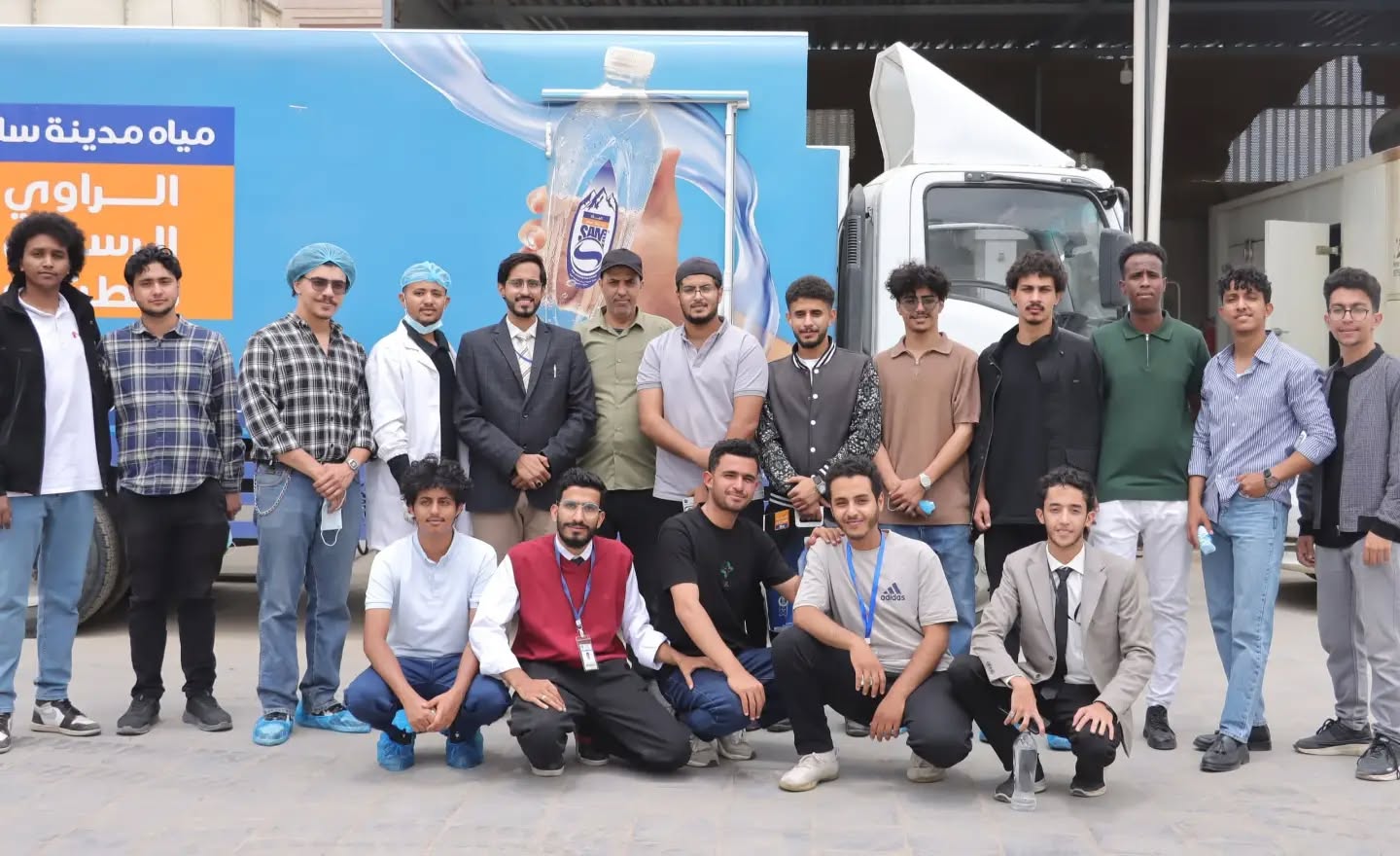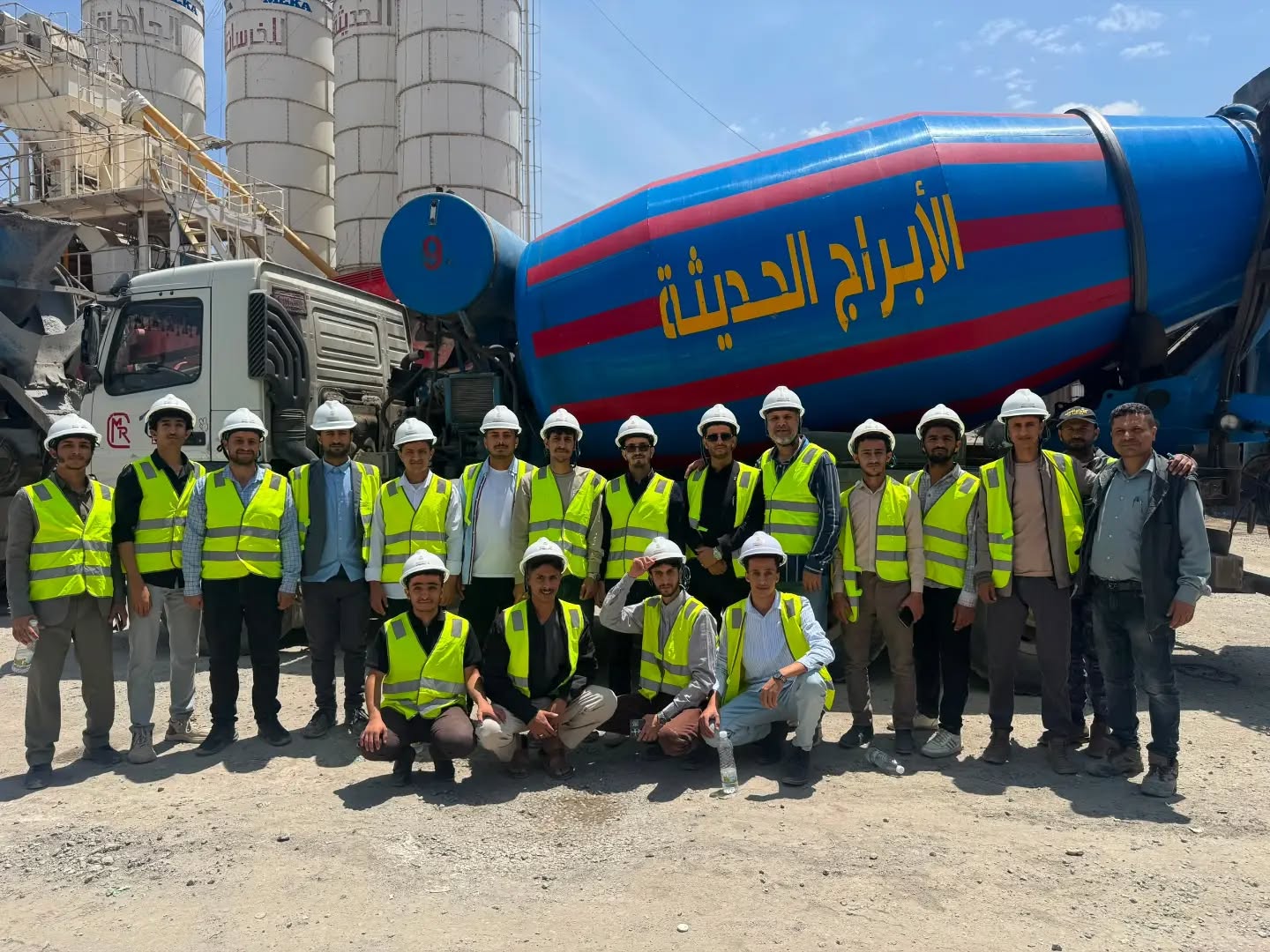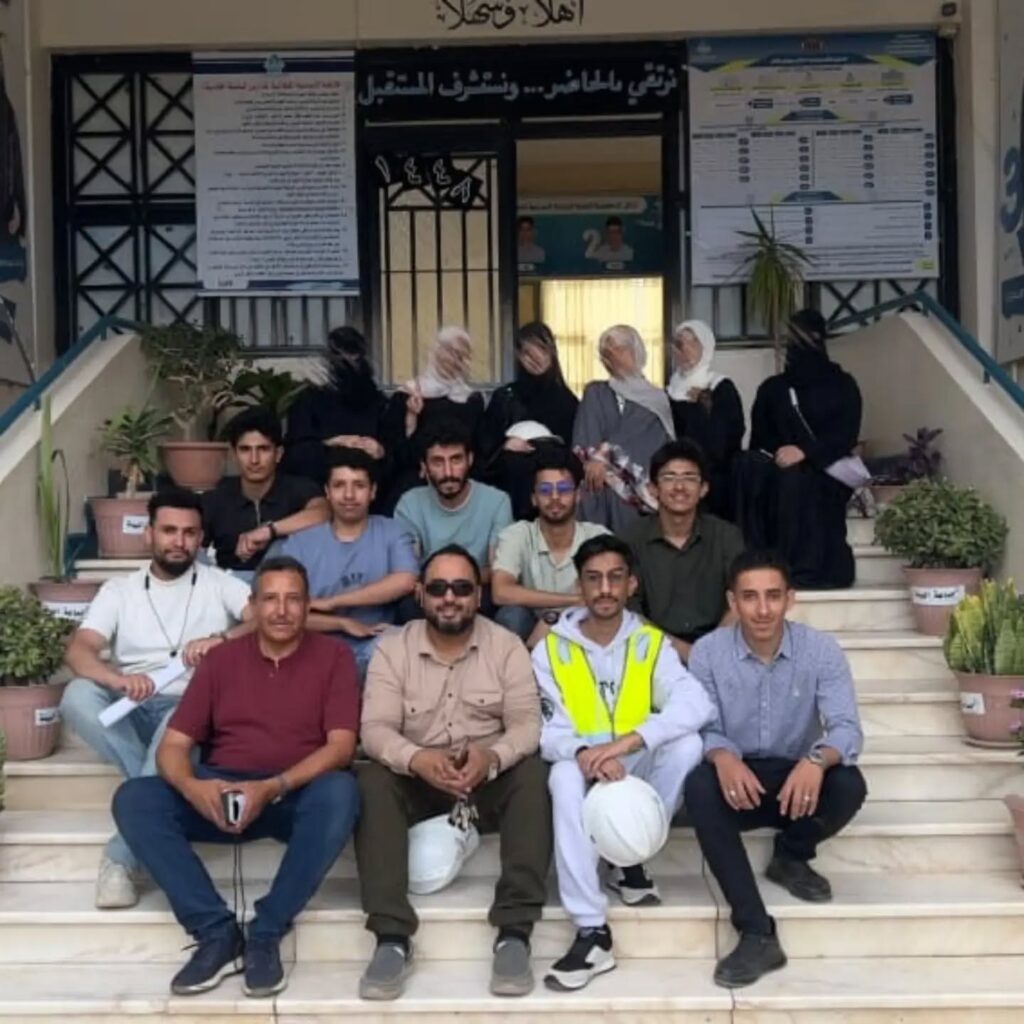
Within the framework of the keenness of the International University of Technology Twintech to enhance integration between theoretical and practical aspects, second-level students of the Department of Architecture executed a field trip to the Modern Yemeni School, as part of the requirements for the Studio (2) course, under the supervision of Dr. Mohammed Al-Madhaji and Engineer Abdulrahman Dawood.
This field trip aimed to link theory with practical application by studying an existing educational building and analyzing its architectural elements on the ground, contributing to enhancing the students’ understanding of the principles of educational building design and applying academic concepts in a field environment.
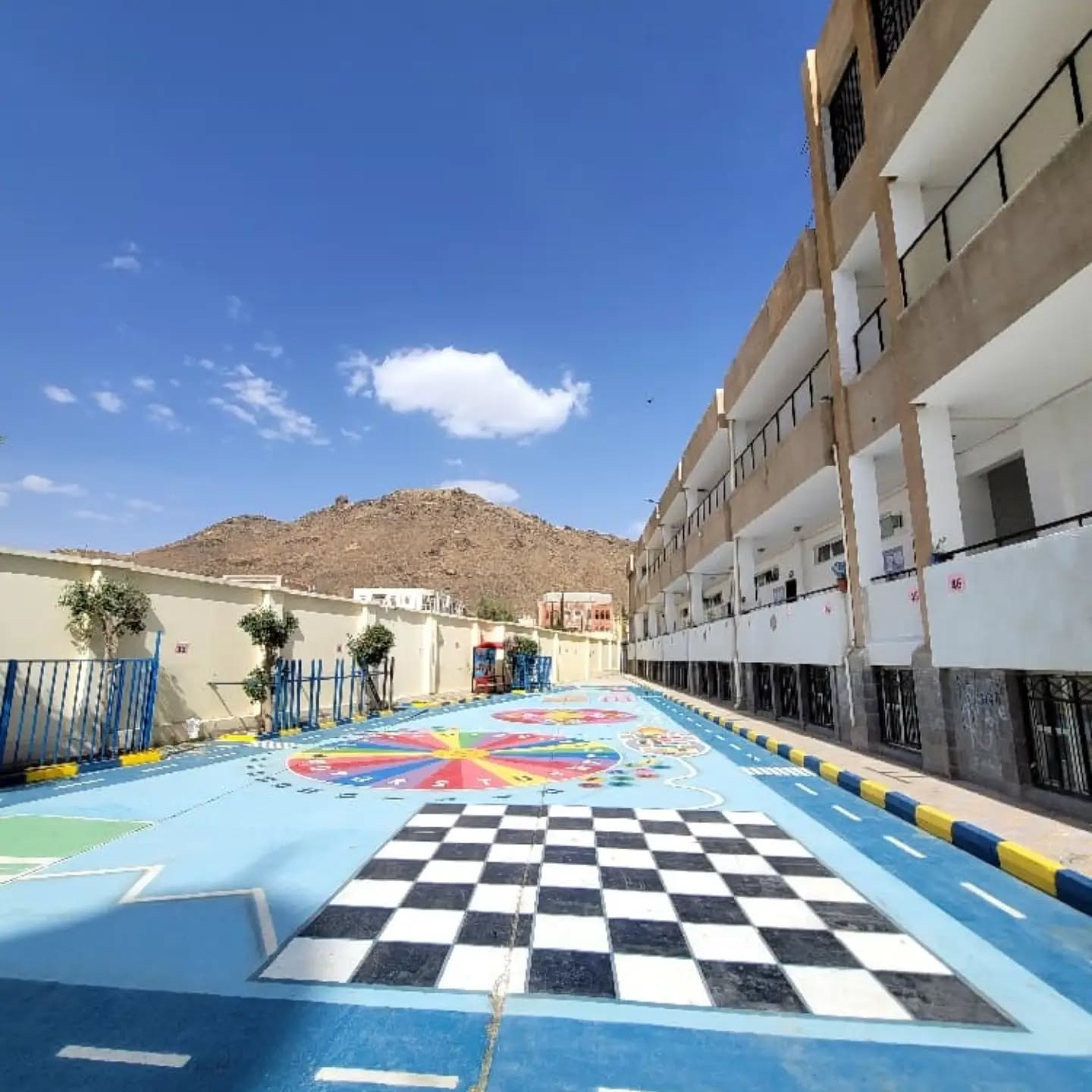
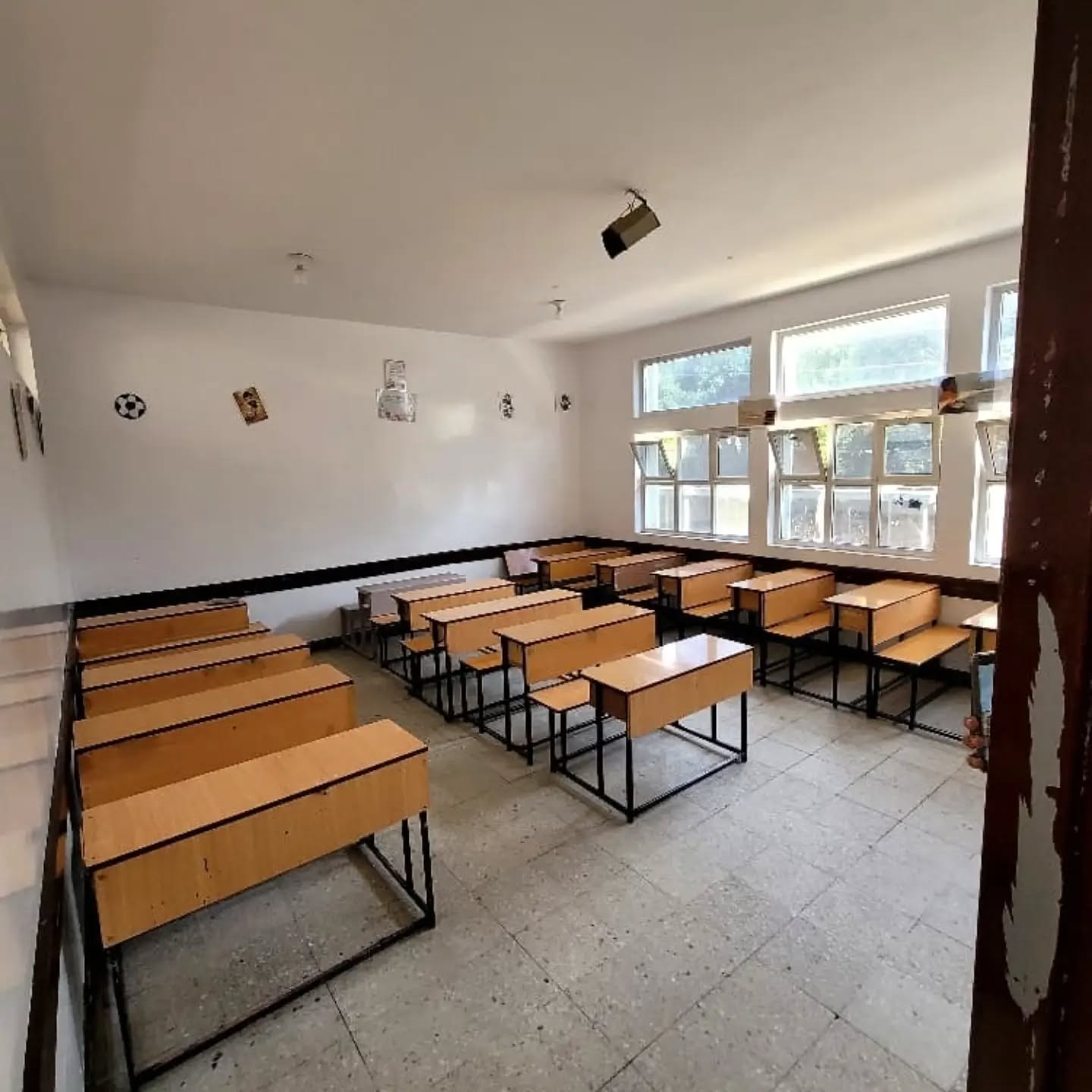
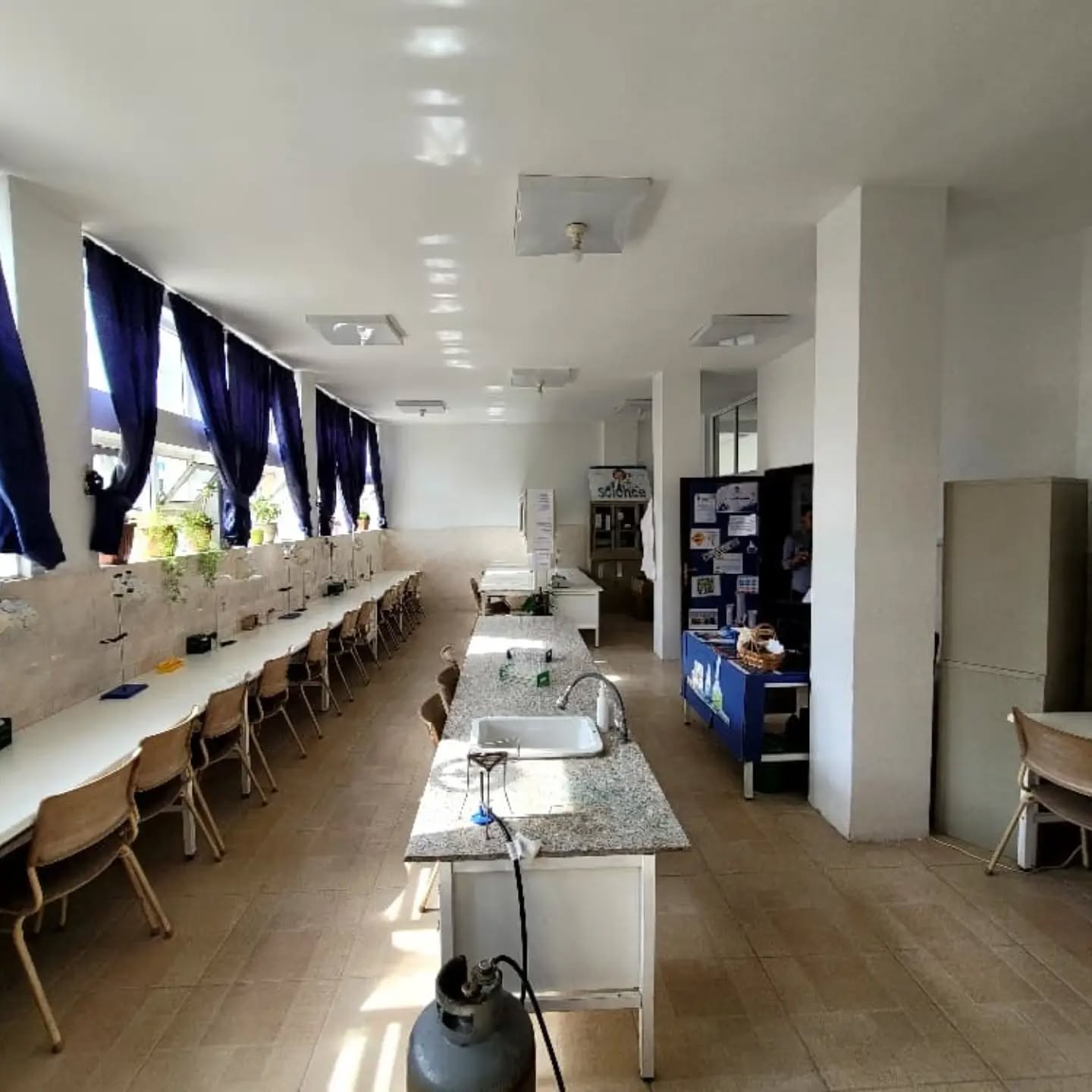
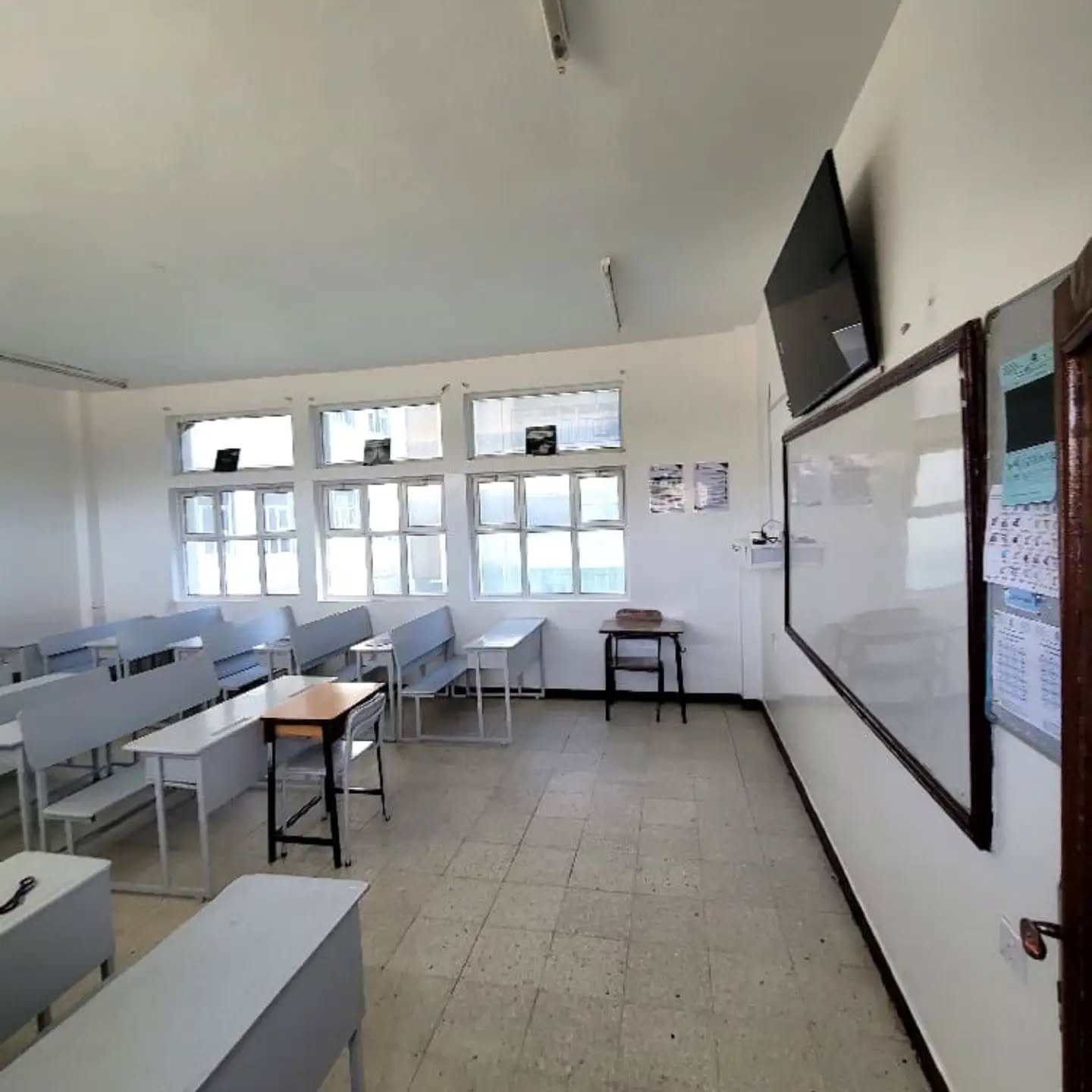
The field program included learning about the design principles of schools in terms of the distribution of classrooms, administration, yards, entrances, corridors, and services, as well as studying user circulation within the building, including the movement of students, teachers, visitors, and administration, and the efficiency and ease of moving between various spaces.
The trip also included analyzing natural lighting and ventilation elements, studying their impact on providing a comfortable learning environment, in addition to understanding the building’s relationship with the surrounding environment in terms of location, entrances, orientation, noise levels, and connection with the surrounding urban network.
Students also focused on studying security and safety standards by observing emergency exits, the width of corridors, stairs, and assembly points, enhancing their awareness of the requirements for designing educational buildings according to approved engineering standards.
This activity comes within the framework of developing students’ architectural observation and analysis skills, enhancing their ability to read and evaluate existing buildings, as well as developing field documentation skills through photography, note-taking, and drawing architectural sketches.
Such field visits are bound to contribute to enriching the practical experience of students, and utilizing realistic observations in future design projects, particularly educational building projects, thereby enhancing their awareness of the importance of architectural design in improving the educational environment and elevating the quality of the educational process.