

This research analyzes how strategic personnel motivation factors—encompassing financial incentives, career progression channels, job safety metrics, and executive recognition—affect individual and team performance metrics within public-sector infrastructure construction undertakings across Yemen. The output demonstrates how structured motivation programs can counteract institutional and macro-economic stressors.
This quantitative research probes the structural influence of modern human resource motivation factors on project delivery metrics across Yemen’s building and civil engineering sectors. By gathering field data during active structural crises, the study proves that robust non-monetary recognition setups and strict safety assurance protocols significantly elevate field execution performance and reduce material waste rates.
This research evaluates the critical influence of spatial design characteristics and layouts on the livability, social cohesion, and safety of low-rise residential neighborhoods in Basra, Iraq. By analyzing urban layouts, connectivity indices, public space integration, and architectural setbacks, the study provides specific layout recommendations to upgrade current urban housing paradigms and foster safer, pedestrian-friendly social spaces for communities.
This structural analysis identifies and prioritizes the most influential variables determining site labor output and operational efficiency during active building construction phases in Yemen. Utilizing relative importance indices (RII), the paper categorizes structural disruptions, material delays, and skill deficiencies, outlining specialized training modules to rebuild indigenous labor productivity benchmarks.
This conceptual and empirical research examines the structural relationship linking total quality management (TQM) implementation with overall strategic and operational organizational performance. Analyzing data across corporate, production, and service sectors, the research establishes how customer-centric leadership, steady process documentation, and employee professional empowerment function to drive market share growth and superior service agility.
This study investigates the critical factors contributing to delays in building construction projects within the Malaysian construction industry. By identifying and analyzing the primary causes from the perspectives of clients, consultants, and contractors, the research highlights systemic inefficiencies, financial bottlenecks, and coordination challenges. The findings provide actionable insights and strategic recommendations to mitigate delays, improve project management practices, and enhance overall operational efficiency in the construction sector.
This operational research reports on the applied implementation of the Six Sigma DMADV (Define, Measure, Analyze, Design, Verify) product quality methodology to optimize cellular site rollout and telecommunication tower installations inside MTN-Yemen. The study demonstrates empirical systematic reductions in scheduling delays, cycle times, and localized deployment defects through rigorous process engineering.
This diagnostic background report delineates the administrative and institutional structure of the land sector in Yemen. Evaluating legal frameworks governing private property ownership, tribal lands, endowment (Waqf) assets, and state domains, the study documents the historical evolution of tenure instability and frames public land administration reforms required to support future sustainable rehabilitation.
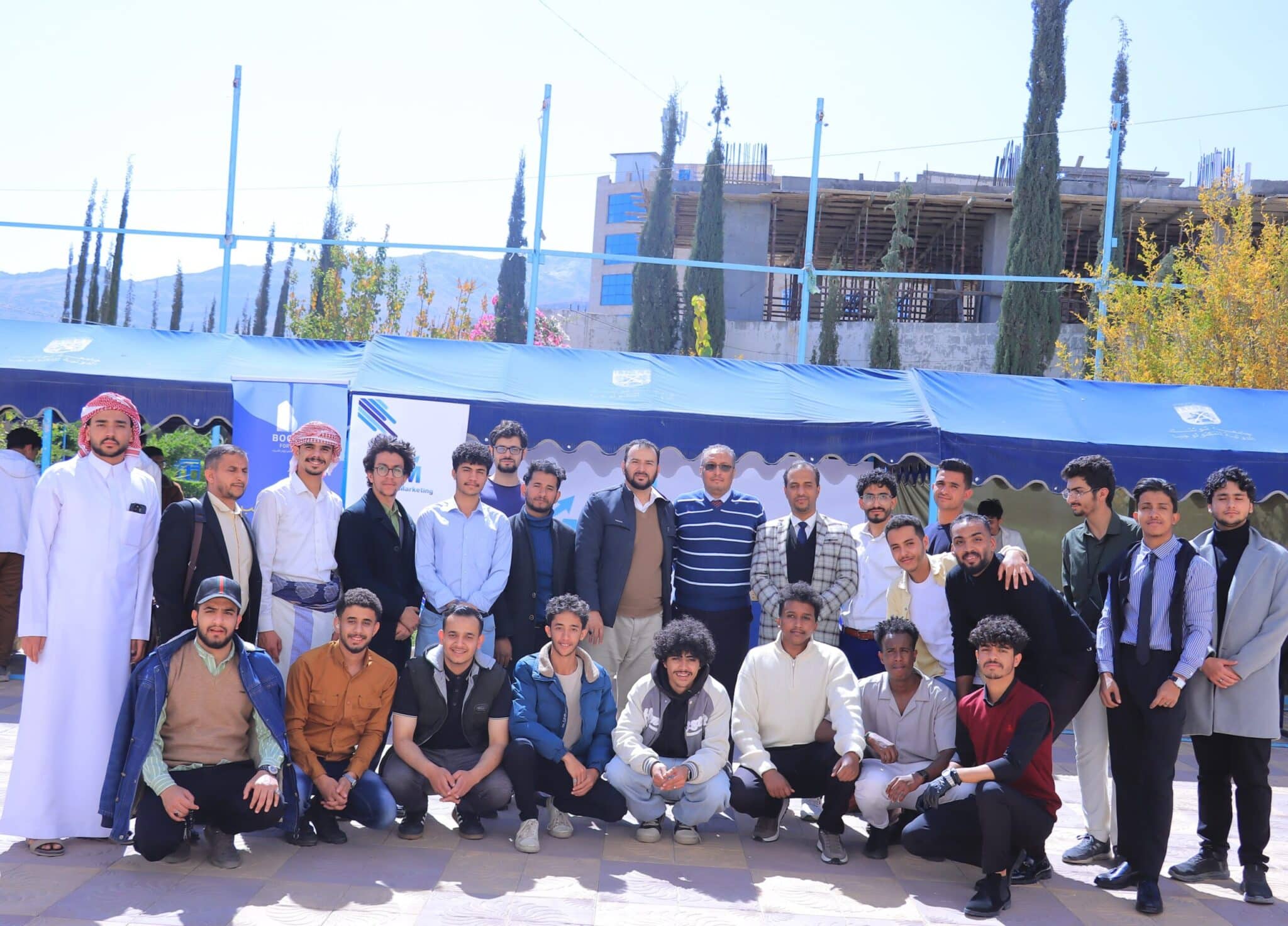
Architectural creativity in Studio 2.

Architecture students impress in the final submission of “High School” projects for Studio 2.