

Dr. Ahmed Mohammed Saleh Yafa’a is an Associate Professor of Architecture and Urban Design and Dean of the Faculty of Engineering at the International University of Technology TWINTECH. His extensive academic and professional experience includes urban planning, quality assurance, academic accreditation, and leading national initiatives for engineering education and sustainable urban development.
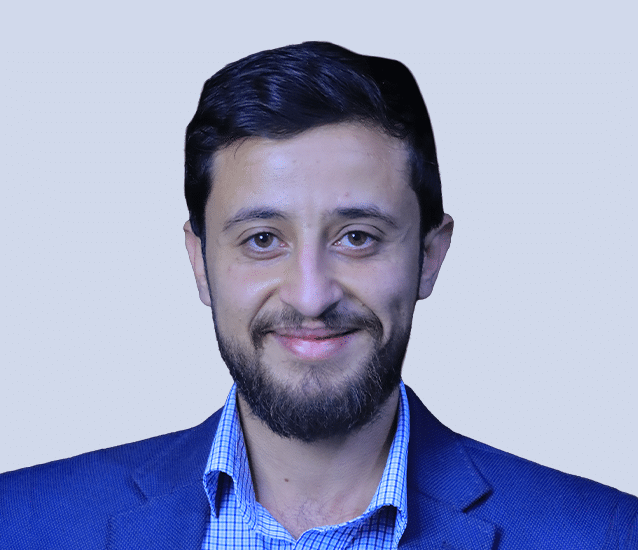
A highly dedicated and accomplished Assistant Professor in Civil Engineering with a PhD in Steel and Composite Construction and over six years of teaching, research, and project management experience. Expertise in structural engineering, including advanced studies in steel-concrete composite structures and seismic performance. Proven ability in curriculum development, teaching at undergraduate levels, and mentoring students in both academic and research capacities. Strong experience in delivering courses, conducting research, and publishing in peer-reviewed journals. A proactive collaborator, committed to excellence in education, fostering a dynamic learning environment, and contributing to the development of innovative engineering solutions. Bilingual in English, French, and Arabic, with a passion for research and academic growth.
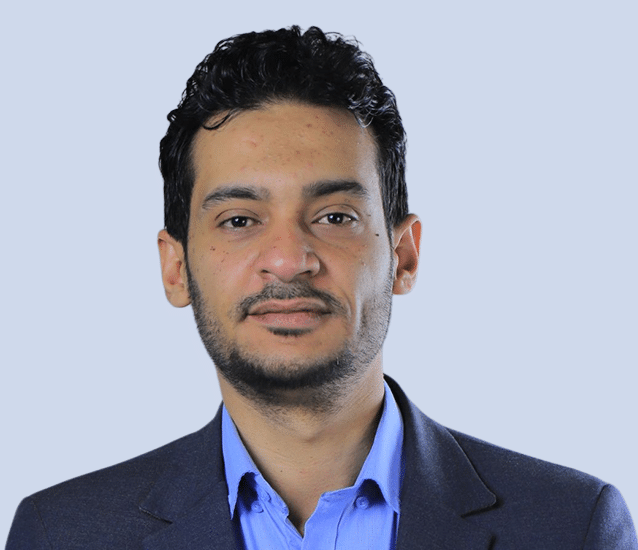
Amr Khaled specializes in oil and gas engineering with experience in interior design at International University of Technology Twentich (IUTT), and currently holds the position of Head of the Interior Design Engineering Department.

Mohammed Ali Hassan Al-Moallem is a specialist in petroleum and gas engineering with expertise in applied engineering development at International University of Technology Twintech (IUTT), and currently serves as Head of the Department of Oil & Gas Engineering.

This research explores the application of traditional vernacular architectural principles to design sustainable, affordable housing systems on Kish Island, Iran. By analyzing local bioclimatic design elements, such as wind-catchers (badgirs), thermal mass building materials, and shaded courtyard topographies, the study proposes a modern housing model that reduces dependence on mechanical cooling, enhances climate comfort, and lowers overall lifestyle construction expenses.
This exploratory survey measures environmental awareness profiles, specifically focused on biological diversity, ecosystem services, and ecological conservation principles, among senior undergraduate bodies attending Sana’a University, Yemen. The empirical analytics emphasize major curriculum discrepancies, revealing a significant gap between theoretical student understanding and proactive environmental stewardship behaviors.
This paper assesses the level of awareness and perception of biodiversity conservation among undergraduate students at Sana’a University, Yemen. Utilizing a structured survey methodology, the research evaluates students’ environmental knowledge, attitudes, and the role of higher education curricula in fostering ecological awareness. The results indicate a critical need for integrating comprehensive environmental education and sustainability concepts into university programs to empower the next generation toward active environmental stewardship in Yemen.
This systematic literature review analyzes the global impacts of force majeure and severe environmental risks on the construction industry, with a comparative focus on the disruptions caused by the COVID-19 pandemic. By aggregating and synthesizing empirical findings from multiple peer-reviewed sources, the study maps contractual, operational, and financial vulnerabilities. It outlines innovative governance models and resilient risk-management strategies essential for safeguarding future infrastructure investments against global crises.
This paper establishes a comprehensive Sustainable Development Indicator (SDI) matrix customized for the construction sectors of low-income developing nations, using Yemen as a critical case study. The indicators integrate economic feasibility, socio-cultural preservation, and environmental conservation targets. The research provides an evaluative tool to help governmental agencies and non-governmental organizations measure, benchmark, and guide infrastructure projects toward long-term sustainability goals.